
Make the right infrastructure decisions before committing capital
ChargeSphere brings the strategic advisory layer to EVC Group’s delivery capability. We turn operational ambition into a clear, evidence-led plan across power, sites, phasing, commercial models, procurement and project governance.

Strategy before specification
Many EV projects begin with a request for charger prices. The more important early questions are whether the sites can support the required operation, what infrastructure is actually needed, when it should be built and how the project will be procured and operated.
ChargeSphere helps clients answer those questions before a delivery scope hardens around incomplete assumptions. Advice is practical, technically informed and connected to real-world construction and operation.
Feasibility and site strategy
Establish whether a project is viable, what evidence is missing and which risks need to be resolved before detailed design or procurement.
- Operational demand and use-case definition
- Desktop site and estate review
- Electrical capacity and constraint assessment
- Charging mix and initial infrastructure concept
- Site prioritisation and phasing
- High-level programme, budget and risk register
Grid and power strategy
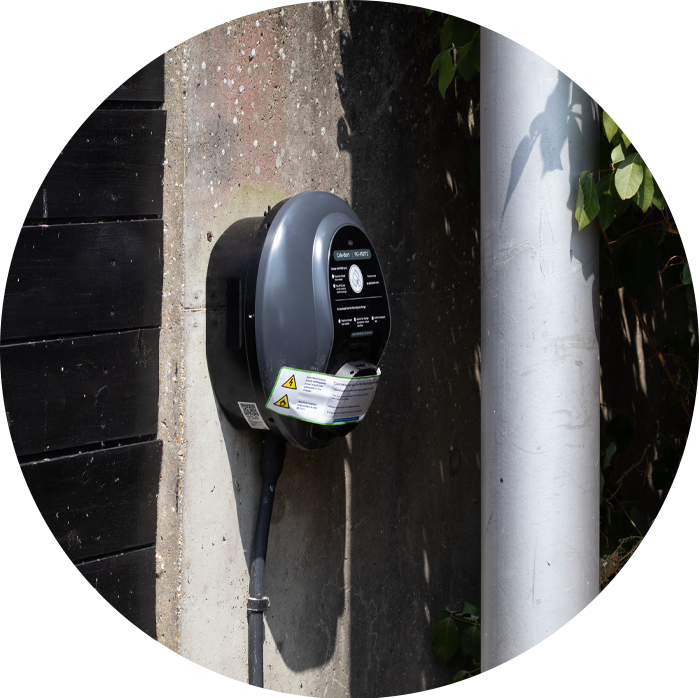
Connection cost and timescale can shape the whole project. ChargeSphere can coordinate early capacity thinking, DNO or connection enquiries, new-supply options, load management, measured-demand requirements and the potential role of battery storage.
The aim is not to default to the largest connection. It is to align available power, operational flexibility and future growth with a realistic delivery plan.
Commercial and investment thinking
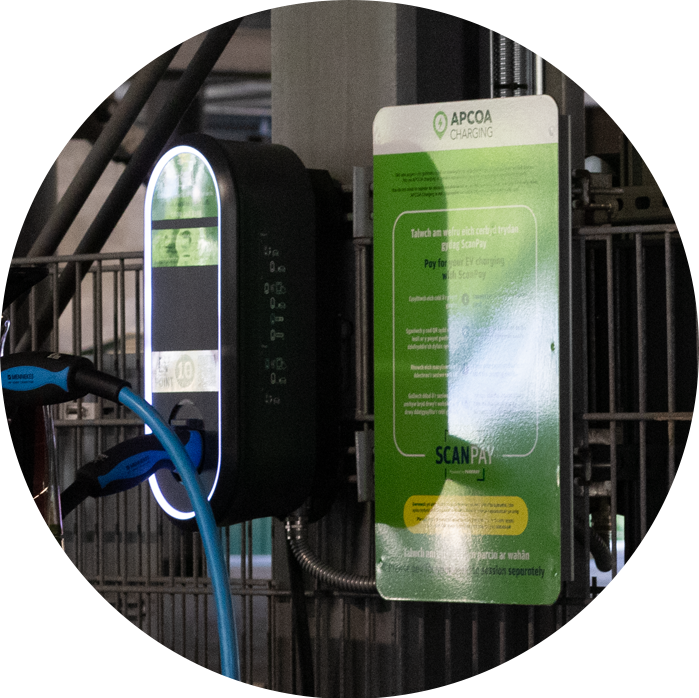
A technically possible project is not automatically an investable one. ChargeSphere helps structure the assumptions behind capital cost, utilisation, energy, tariffs, software, maintenance and phased adoption.
- Capital and whole-life cost structure
- Utilisation and demand assumptions
- Own-and-operate, managed-service, partner and funded models
- Sensitivity testing and key decision points
- Benefits, dependencies and non-financial outcomes
Portfolio and rollout planning
For multi-site estates, not every location should move at once. ChargeSphere can establish a scoring method using vehicle need, capacity, property constraints, lease position, customer demand, strategic value and delivery readiness.
This creates a sequenced programme and a repeatable data standard, while keeping room for site-specific exceptions.
Procurement and partner strategy
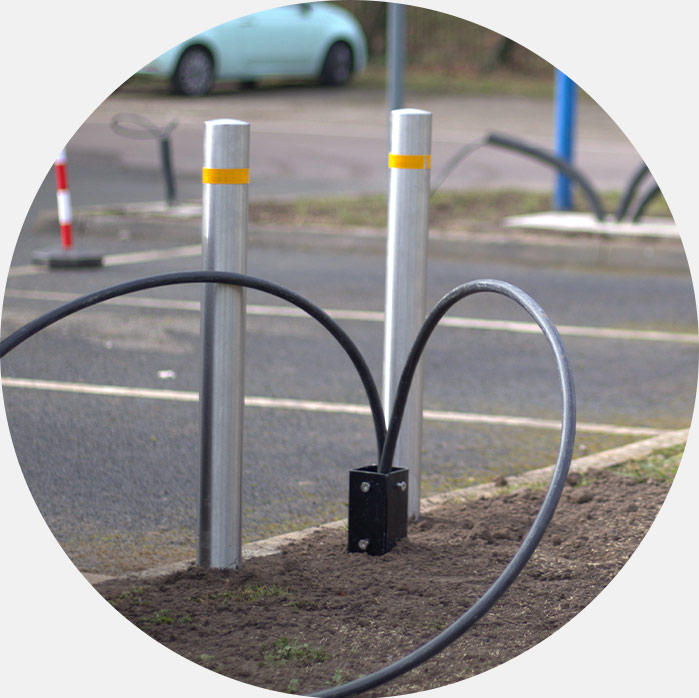
ChargeSphere can help clients decide what to procure, how responsibilities should be packaged and what evidence bidders need to provide. That may include consultant, hardware, CPMS, installation, CPO, maintenance or full EPC packages.
- Scope and responsibility development
- Technical and commercial evaluation criteria
- Supplier engagement and bid clarification
- Risk allocation and interface mapping
- Mobilisation and governance planning
Project governance and CDM readiness
Complex EV projects require clear decision rights, information flow and statutory roles. ChargeSphere can help structure governance, establish design information requirements and coordinate the timely appointment of competent dutyholders.
ChargeSphere should not be described as automatically acting as Principal Designer. Where CDM applies, it can support readiness, coordinate the appointment process and help the client integrate the appointed Principal Designer and Principal Contractor into the wider programme.

Technical due diligence and independent review
ChargeSphere can review an existing proposal, supplier response, charger estate or design basis to identify gaps, assumptions and delivery risk. This is particularly useful before investment approval, contract award, acquisition or the expansion of a pilot into a wider rollout.
From advice into delivery
The output is designed to be usable. EVC Group can take the agreed strategy into detailed design and delivery, or ChargeSphere can support a client-selected procurement route. Where EVC may deliver, roles and commercial interests should be transparent so the client can make an informed decision.
Typical advisory outputs
- Feasibility report and decision summary
- Site or portfolio prioritisation matrix
- Concept charging and power strategy
- Phased roadmap and budget ranges
- Risk, dependency and information-gap register
- Procurement scope and responsibility matrix
- Executive business-case narrative
Frequently asked questions
When should we involve ChargeSphere?
Can ChargeSphere advise without EVC installing the project?
Does ChargeSphere act as Principal Designer?
What do you need for a feasibility review?
What Our Customers Say
The installation itself went as smooth as possible, and everything was left neat and tidy. When installation day came, Asif, the installer, contacted us well in advance with an ETA that was stuck to. Overall, the help, guidance, and service received from Andrew was exceptional. We had experienced problem after problem with our energy supplier (So Energy, for anyone interested) and genuinely thought this install wouldn't happen, but the team delivered a great experience.
Amazing customer service and communication by Andrew, i would highly recommend. Amazing company
EVC where very helpful throughout the process leading up to the installation, particularly in helping to resolve some of the challenges a 1930's house can introduce. The installer Oliver was very efficient and did an excellent job. Also EVC were easy to contact and quick to respond
They know their work load and optimised their time beautifully. No mucking rounding from their end. I had medical situation with my dad and they organised around me without adding stress to my day. I couldn’t have asked for a more co operative and caring company. On top of that, the engineer was polite, caring and clean! He left my house and drive clean. He kept us up to date on what he was doing and gave us enough notice for when power would go off and how long for and then gave us a full explanation on how to start and use the EV charger.
Thank you for today and the effort you have put in to get my charger in. It’s much appreciated.
My charger was installed by Oliver who contacted me to give me notice of his attendance. The install went really well and Oliver explained the whole charging process and app. I would highly recommend.
An excellent, efficient OHME EV charger installation by EVC. Asif fitted the equipment and cabling very neatly. Chris did a brilliant job replacing the block paving after digging a trench. He made a fantastic effort in levelling, cleaning and re-sanding the paving so It looked better than before.
Both Chris and Asif were pleasant and trustworthy. The good communication throughout from Andrew was appreciated. I highly recommend them and EVC to potential customers.
I can’t fault EVC from start to finish the communication has been excellent. Ours was a tricky install spanning a long distance and across a path but Asif, our engineer, fitted the wiring neatly and worked all day in the rain to ensure the work was completed. Asif was professional and friendly and a credit to EVC.
The communication from Andrew throughout made sure I knew what would happen when. I highly recommend this company.
I’d have Chris and Ollie back in a heartbeat.