
Keep charging infrastructure visible, maintained and ready to use
Installation is the start of the asset lifecycle. EVC Group combines charge point management, planned preventive maintenance, reactive support and technical audits to help clients protect availability, safety and investment.
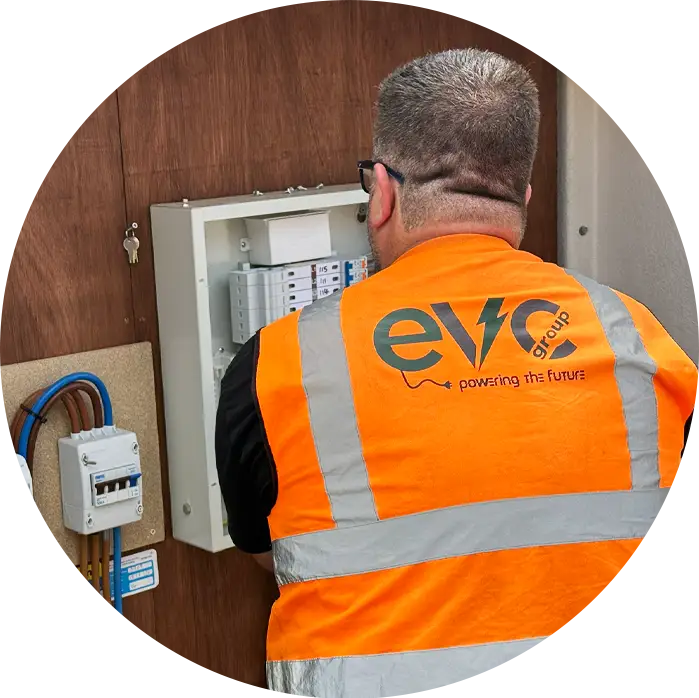
Software visibility plus physical maintenance
A CPMS can show status, sessions and diagnostic information, but it cannot replace physical inspection, testing or engineer intervention. Equally, periodic maintenance without remote visibility can leave faults undiscovered between visits.
EVC connects both sides of the service: monitoring and data to identify issues, plus competent field support to inspect, diagnose, repair and document the asset.
Charge point management systems
The CPMS provides the operational layer between chargers, users and the site owner. EVC can support platform selection, onboarding, configuration and ongoing administration, subject to the chosen hardware and software integrations.
- Charger status and remote diagnostics
- User groups, RFID and access control
- Tariffs, payment and reimbursement configurations
- Session, energy and utilisation reporting
- Remote resets and first-line triage
- Fault alerts, escalation and service evidence
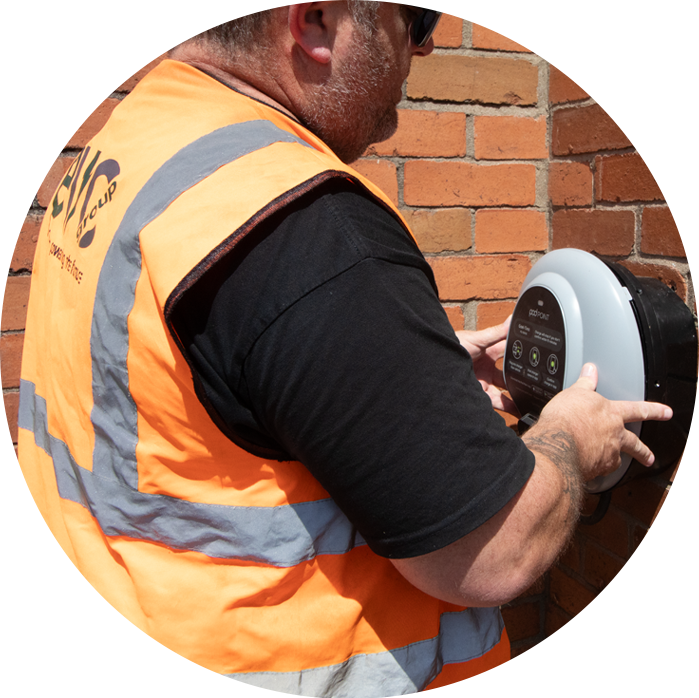
Planned preventive maintenance
Planned maintenance helps identify wear, damage, contamination, loose components and environmental issues before they become larger failures. The exact schedule and inspection content should reflect charger type, manufacturer guidance, environment, utilisation and client risk requirements.
- Visual condition and damage inspection
- Connector, cable, holster and enclosure checks
- Protective-device and isolation checks within the agreed scope
- Cleaning, labels, signage and bay-condition review
- Communications and functional checks
- Electrical testing where due or specified
- Photographic record, defects and prioritised actions
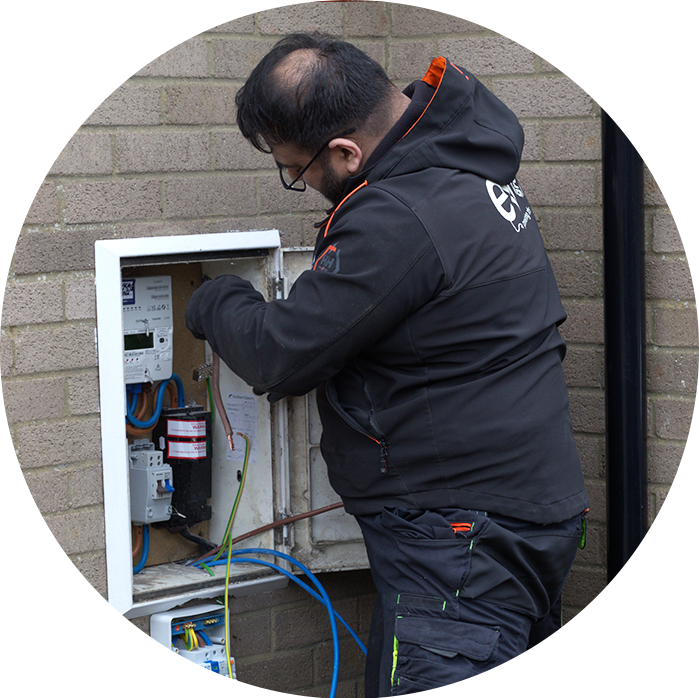
Reactive maintenance and fault response
When a charger fails, the first objective is to establish whether the issue sits with the charger, supply, communications, software, payment or user interaction. Remote triage can resolve some incidents and improve the quality of engineer attendance for others.
- Remote diagnostic review and safe reset where supported
- Telephone or user support within the contracted model
- Engineer attendance and electrical fault-finding
- Parts replacement, manufacturer escalation and RMA support
- Temporary isolation or make-safe action where required
- Repair evidence, root cause and follow-up recommendations
Charger estate and installation audits
Clients often inherit a charger estate without complete asset records, consistent maintenance or confidence in the underlying installation. EVC can survey and audit existing sites to establish condition, risk and a practical improvement plan.
- Asset verification and serial-number capture
- Visual and functional charger assessment
- Electrical installation and distribution review within the agreed scope
- CPMS, connectivity and data-status check
- Documentation, certification and warranty-gap review
- Risk-ranked remedial and replacement roadmap
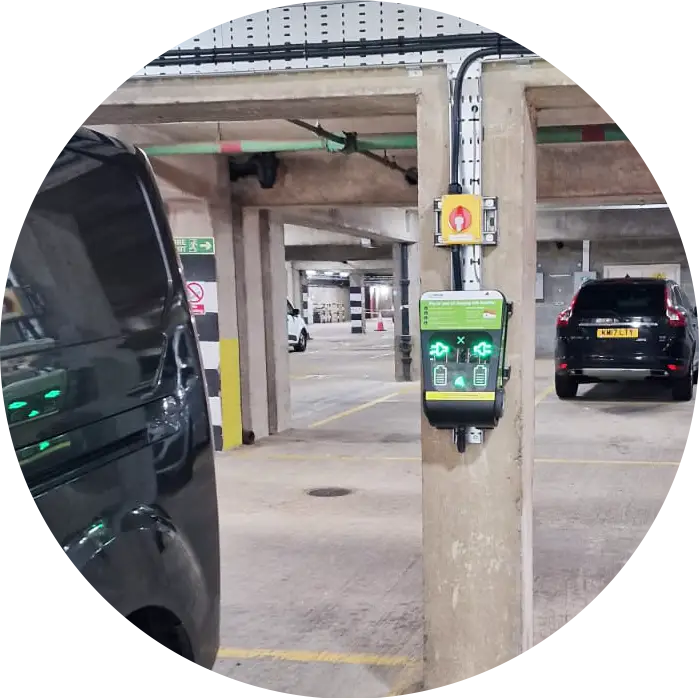
Asset, warranty and spares management
Effective maintenance depends on knowing what is installed and how it is supported. EVC can help organise asset records, warranties, firmware and manufacturer routes, critical spares and recurring defects. For larger estates, this creates a clearer basis for repair-versus-replace decisions and lifecycle budgeting.
Reporting that supports decisions
Service reporting should show more than tickets opened and closed. Depending on the contract, EVC can provide status, fault trends, attendance evidence, first-time fix, repeat issues, parts use, availability, utilisation and recommended asset actions.
Metric definitions, data sources and exclusions should be agreed so performance is consistent and auditable.
Mobilising a new or existing estate
New installations
Agree the maintenance and monitoring model before go-live, then capture asset, warranty, access, network and commissioning data during handover.
Existing installations
Begin with available records and an agreed discovery or audit phase. Prioritise unsafe, unavailable or unsupported assets, then build a controlled service baseline.
What Our Customers Say
The installation itself went as smooth as possible, and everything was left neat and tidy. When installation day came, Asif, the installer, contacted us well in advance with an ETA that was stuck to. Overall, the help, guidance, and service received from Andrew was exceptional. We had experienced problem after problem with our energy supplier (So Energy, for anyone interested) and genuinely thought this install wouldn't happen, but the team delivered a great experience.
Amazing customer service and communication by Andrew, i would highly recommend. Amazing company
EVC where very helpful throughout the process leading up to the installation, particularly in helping to resolve some of the challenges a 1930's house can introduce. The installer Oliver was very efficient and did an excellent job. Also EVC were easy to contact and quick to respond
They know their work load and optimised their time beautifully. No mucking rounding from their end. I had medical situation with my dad and they organised around me without adding stress to my day. I couldn’t have asked for a more co operative and caring company. On top of that, the engineer was polite, caring and clean! He left my house and drive clean. He kept us up to date on what he was doing and gave us enough notice for when power would go off and how long for and then gave us a full explanation on how to start and use the EV charger.
Thank you for today and the effort you have put in to get my charger in. It’s much appreciated.
My charger was installed by Oliver who contacted me to give me notice of his attendance. The install went really well and Oliver explained the whole charging process and app. I would highly recommend.
An excellent, efficient OHME EV charger installation by EVC. Asif fitted the equipment and cabling very neatly. Chris did a brilliant job replacing the block paving after digging a trench. He made a fantastic effort in levelling, cleaning and re-sanding the paving so It looked better than before.
Both Chris and Asif were pleasant and trustworthy. The good communication throughout from Andrew was appreciated. I highly recommend them and EVC to potential customers.
I can’t fault EVC from start to finish the communication has been excellent. Ours was a tricky install spanning a long distance and across a path but Asif, our engineer, fitted the wiring neatly and worked all day in the rain to ensure the work was completed. Asif was professional and friendly and a credit to EVC.
The communication from Andrew throughout made sure I knew what would happen when. I highly recommend this company.
I’d have Chris and Ollie back in a heartbeat.