
Make your EV part of a smarter home energy system
Your charger does not have to work in isolation. With the right setup, charging can respond to tariffs, solar generation and home battery storage—helping you use energy at better times and make more of what your home produces.
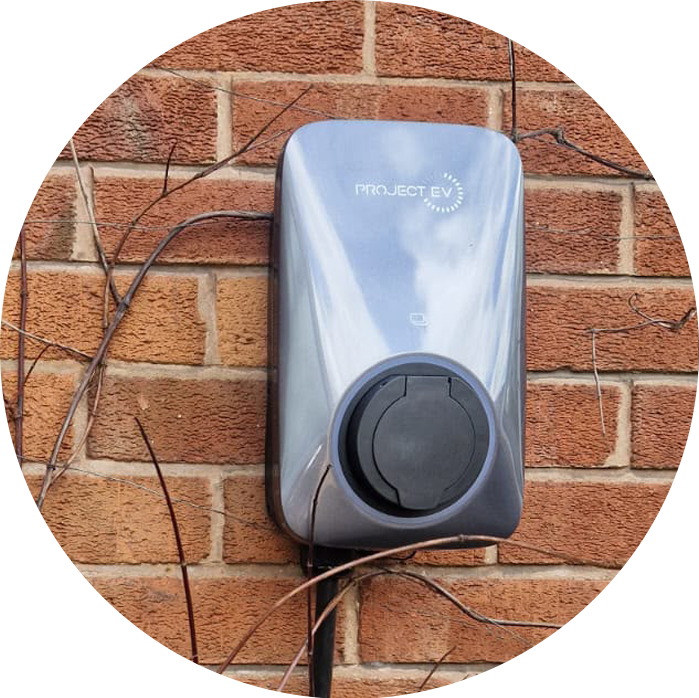
Start with how your home uses energy
Smart home energy is often presented as a collection of products. In practice, the useful question is how the household, vehicle and electricity supply behave together.
EVC starts with the practical picture: daily mileage, charging windows, tariff, solar generation, battery capacity, household demand and any planned upgrades. From there, we can help identify whether a charger change, control strategy, battery or wider system is likely to add genuine value.
Smart tariff charging
Many EV drivers can reduce charging costs by moving demand into off-peak periods. A compatible charger, vehicle and tariff can automate this process, so the car is ready when needed without charging at the most expensive time.
Compatibility varies. We will help confirm whether control sits with the charger, the vehicle or the energy provider and avoid overlapping schedules that can interrupt charging.
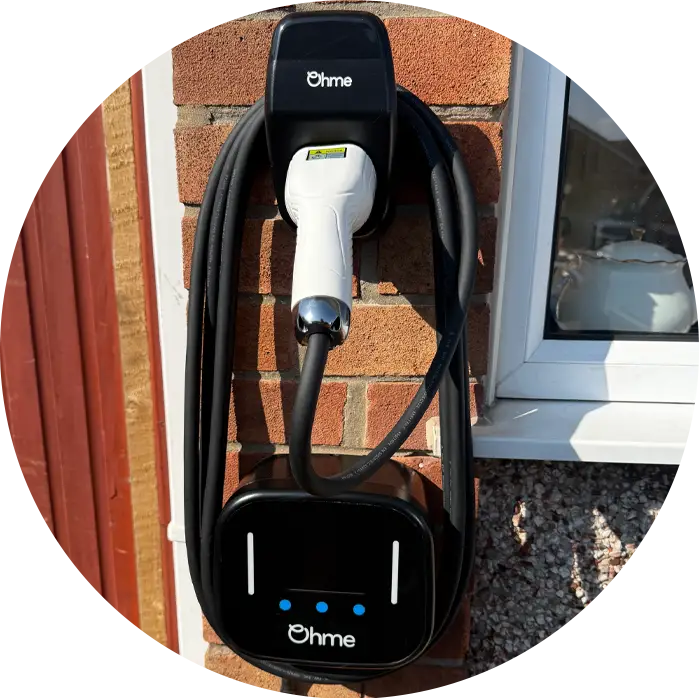
Solar-aware EV charging
Solar-compatible chargers can vary their output to use more of the electricity being generated at home.
This can reduce export and increase self-consumption, although the result depends on available generation, household load and how long the vehicle is parked during daylight hours.
- Use surplus solar only where the vehicle and charger can maintain the required minimum charging power
- Blend solar with grid electricity to charge faster when needed
- Prioritise the home battery, the vehicle or household demand according to the chosen control strategy
Home battery storage
A home battery can store solar generation or lower-cost grid electricity for later use. For some households it can support evening demand and reduce reliance on peak-rate electricity. It should not automatically be treated as an EV-charging battery: capacity, power output, cycle strategy and the much larger energy demand of a vehicle all matter.
EVC will frame battery storage around the whole household energy case rather than claiming that every EV driver needs one.
Plan the system - not just the products
Charger, inverter, battery and energy platform compatibility can affect the experience. A well-planned system considers communications, metering, CT placement, electrical capacity, equipment location, warranty boundaries and which device is responsible for controlling energy flow.
Where specialist solar or battery design is required, EVC can coordinate the right expertise and define the interfaces with the charging installation.
A practical route forward
Review
Clarify the objective
Check compatibility
Design and deliver
Compare
What Our Customers Say
The installation itself went as smooth as possible, and everything was left neat and tidy. When installation day came, Asif, the installer, contacted us well in advance with an ETA that was stuck to. Overall, the help, guidance, and service received from Andrew was exceptional. We had experienced problem after problem with our energy supplier (So Energy, for anyone interested) and genuinely thought this install wouldn't happen, but the team delivered a great experience.
Amazing customer service and communication by Andrew, i would highly recommend. Amazing company
EVC where very helpful throughout the process leading up to the installation, particularly in helping to resolve some of the challenges a 1930's house can introduce. The installer Oliver was very efficient and did an excellent job. Also EVC were easy to contact and quick to respond
They know their work load and optimised their time beautifully. No mucking rounding from their end. I had medical situation with my dad and they organised around me without adding stress to my day. I couldn’t have asked for a more co operative and caring company. On top of that, the engineer was polite, caring and clean! He left my house and drive clean. He kept us up to date on what he was doing and gave us enough notice for when power would go off and how long for and then gave us a full explanation on how to start and use the EV charger.
Thank you for today and the effort you have put in to get my charger in. It’s much appreciated.
My charger was installed by Oliver who contacted me to give me notice of his attendance. The install went really well and Oliver explained the whole charging process and app. I would highly recommend.
An excellent, efficient OHME EV charger installation by EVC. Asif fitted the equipment and cabling very neatly. Chris did a brilliant job replacing the block paving after digging a trench. He made a fantastic effort in levelling, cleaning and re-sanding the paving so It looked better than before.
Both Chris and Asif were pleasant and trustworthy. The good communication throughout from Andrew was appreciated. I highly recommend them and EVC to potential customers.
I can’t fault EVC from start to finish the communication has been excellent. Ours was a tricky install spanning a long distance and across a path but Asif, our engineer, fitted the wiring neatly and worked all day in the rain to ensure the work was completed. Asif was professional and friendly and a credit to EVC.
The communication from Andrew throughout made sure I knew what would happen when. I highly recommend this company.
I’d have Chris and Ollie back in a heartbeat.